Motorcycle helmet battery: considering an intercom replacement
A motorcycle helmet battery with reduced autonomy may warrant checking the communication system for faults. The battery, charging cable, or electronics may be to blame. The model must be identified before any replacement is proposed.
Our Accessoires Énergie workshop reviews requests based on references and photos. Working on a communication module must not alter the helmet's protective structure. The manufacturer's recommendations remain the standard.
Accurately identify your Bluetooth intercom
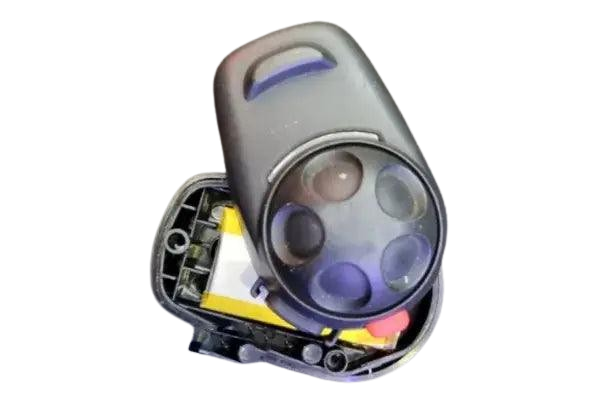
Note the brand and generation of the Bluetooth intercom. Photograph its label and charging connector. Specify whether the module is removable or built-in. Externally similar versions may use different packs.
The motorcycle helmet battery must match the module's design. The voltage, technology, and dimensions must be checked. Capacity alone is not enough to confirm compatibility. The pin layout and any protective features also matter.
Understanding the role of a lithium-polymer battery
A lithium-polymer battery can be used in compact devices. Its size and protection circuit must suit the product. A flexible pouch must not be folded, punctured, or compressed to fit into a compartment.
The markings on the old pack help prepare the search. A similar nominal voltage does not guarantee the same charging requirements. The available space, mounting, and cable routing must be examined before working on the device.
Why replacement is not a simple swap
Opening a Bluetooth intercom may compromise its protection against water and dust. Working on it may also affect the manufacturer's warranty. These points must be considered before deciding whether to keep the module.
Cardo advises users against dismantling and replacing its products themselves. Visit the official Cardo support site for their guidelines. These should not be applied as a repair procedure for another brand.
Prepare the diagnosis and charging
Before concluding that a motorcycle helmet battery has failed, check the accessible components according to the manual. A damaged cable or unsuitable power supply may prevent charging. Do not force a connector or apply an unsupported voltage.
If a lithium-polymer battery is swollen, stop using it and seek advice. Do not try to restore it to its original condition. Report any unusual overheating or damage before preparing to send it to the workshop.
What to expect from a workshop intervention
The request should specify the observed autonomy and how the device behaves when charging. Also indicate whether the module works when powered. These observations guide the diagnosis but cannot confirm the cause of the fault on their own.
The solution may be a suitable replacement or deciding against the intervention if the system cannot be reliably repaired. A higher capacity must not be promised without testing. The device can only be returned to service if the entire module is considered.
Contact Accessoires Énergie
For your communication module, provide the references, photos, and symptoms. Our battery workshop can assess the feasibility. Do not open the helmet to take a photo of an inaccessible part.
The goal is to keep the equipment in use when the intervention is appropriate. This must not come at the expense of the helmet's protection. Wait for the workshop's response before sending your equipment or a damaged pack.
Frequently asked questions
Can a motorcycle helmet battery be replaced?
This depends on the module, access to the pack, and the manufacturer's guidelines. The helmet's water resistance and structural integrity must be considered.
Is a lithium-polymer battery with the same capacity suitable?
Not necessarily. The voltage, dimensions, wiring, protection, and charging requirements must be checked.
What should I check if my Bluetooth intercom no longer charges?
Consult the manual for checking the cable and power supply. The fault may involve components other than the battery.
Can opening the device affect its water resistance?
Yes. Some manufacturers advise users against dismantling the device for this reason. Check the product's conditions before considering an intervention.