Battery reconditioning: understanding the process
Battery reconditioning involves assessing the restoration of a rechargeable pack. The process can extend the life of a device with a weakened power supply. However, it depends on the housing, electronics, connections, and operating constraints.
A battery that no longer holds a charge does not always need new cells. A faulty charger or contacts can produce similar symptoms. Identifying the fault must therefore precede the decision to intervene.
Start with a diagnosis
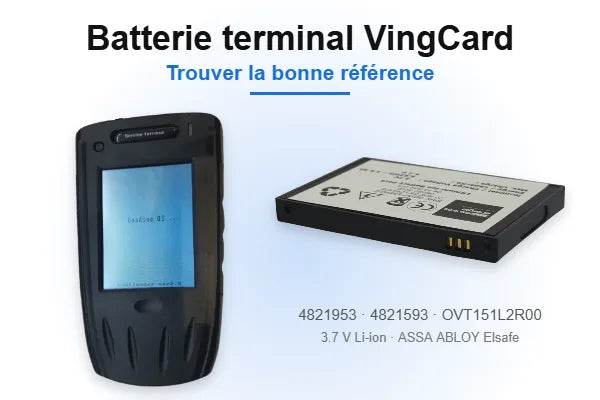
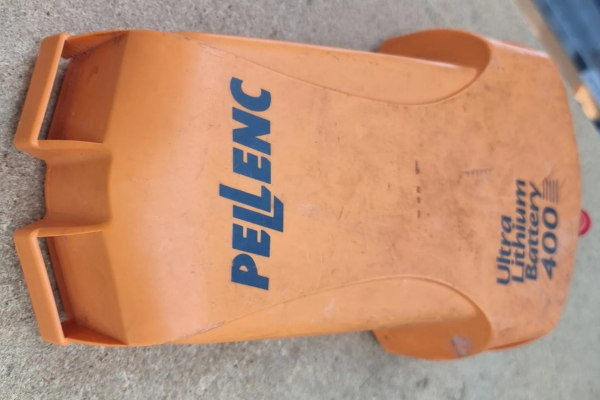
The first check concerns the pack's reference and specifications. The voltage, technology, capacity, and device operation must be known. Photos of the label and contacts facilitate this preparation.
The diagnosis is not limited to an open-circuit voltage measurement. Depending on the design, checks under load and protection controls are necessary. An old battery is not automatically repairable. The condition of its electronics may limit the possibilities.
When to consider replacing the cells?
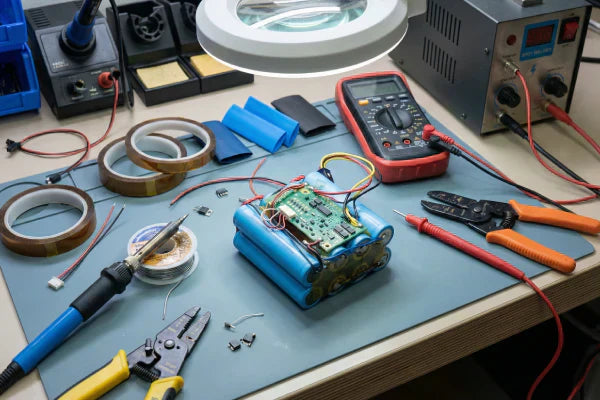
Replacing the cells can be considered when the internal elements have lost their performance. The selected cells must be suitable for the required currents and the available space. High capacity is not the only criterion.
Battery reconditioning also requires respecting the connections and protections. Some packs communicate with the device or the charger. The mechanical replacement of the elements therefore does not guarantee the operation of the system.
What benefits can be expected?
Equipment reuse is worthwhile when a tool remains usable or a reference becomes difficult to find. Keeping a housing and equipment can avoid their complete replacement. The result must, however, be compared to a truly equivalent new solution.
There is no universal reduction in price or lifespan. The cost depends on the components, construction, and work required. A quote allows for an assessment of the repair's value. The gain in autonomy also depends on the use and the condition of the device.
Increasing capacity: a possibility to check
A battery reconditioning can sometimes incorporate a higher capacity. The available space and electrical limits must allow it. The charger, protections, and electronics remain to be checked. This evolution must not be improvised.
An increase in capacity does not guarantee an identical increase in usage time. The required power and operating conditions influence autonomy. Our power tool battery projects illustrate studies specific to each pack.
Distinguishing repair from recycling
Equipment reuse consists of extending its use when a suitable intervention is possible. Recycling concerns the management of components at the end of their life. The two processes must not be confused. A primary battery does not become rechargeable through reconditioning.
The replacement of cells itself produces used elements that must be directed to an appropriate recycling channel. Do not throw a battery in household waste. Consult ecosystem's safety recommendations before handling or dropping off a damaged pack.
Prepare your request for our workshop
For a battery reconditioning, send the reference, specifications, symptoms, and photos. Specify the model of the device and the charger. Our reconditioning service will be able to study the request.
Wait for instructions before shipping a battery. Report any damage or unusual overheating. The proposed solution and its conditions must be specified before intervention. No result can be inferred solely from the appearance of the housing.
Frequently Asked Questions
Is battery reconditioning suitable for all packs?
No. Feasibility depends notably on the housing, cells, electronics, and charging system. A preliminary study allows for an assessment of the possibilities.
Is replacing the cells always enough?
No. The connections, protections, or communication with the device can also limit the return to service.
Is equipment reuse always cheaper?
No. The quote must be compared with a truly equivalent replacement. Prices and autonomy gains vary depending on the construction.
What information should be sent?
The reference, voltage, capacity, charger model, symptoms, and photos. Report any damage before arranging transport.