Electric bike battery: should it be removed after every ride?
An electric bike battery does not necessarily need to be removed after every use. The answer depends on the model and storage conditions. Follow the bike and battery manuals. A pack designed to remain integrated should not be removed like a removable model.


Removing a battery can make it easier to charge or limit its exposure to outdoor conditions. This can also reduce the risk of the pack being stolen. However, the lock and mount must remain in good condition. Never force a battery that is stuck in its compartment.
Removing a removable pack without forcing it
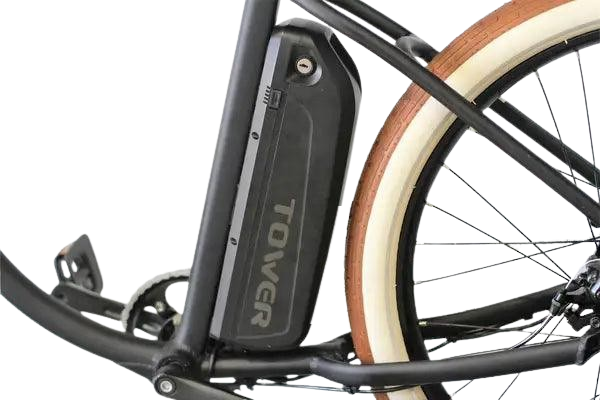
Turn off the system before handling the battery. Use the unlocking mechanism provided by the manufacturer. Support the pack while removing it to prevent it from falling. The movement may vary depending on whether it is mounted on a rack or inside the frame.
To reinstall an electric bike battery, check its positioning and locking. An improperly engaged battery may move or cause power interruptions. If the installation seems unusual, consult the manual or a professional before riding.
Organizing the e-bike charge
An e-bike charge can sometimes be done on the bike and sometimes separately. The manufacturer specifies the options for its system. Removal alone does not guarantee a better charge. The chosen location and the charger used are decisive.
Inspect the casing and connections before charging. Use the charger explicitly designed for your system. A similar voltage label is not enough. Stop use if you notice any abnormality and seek advice before continuing.
Preparing the battery for storage
Battery storage requires special attention during long periods of inactivity. Consult your manufacturer's recommendations for the charge level and checks. Do not generalize a frequency or temperature to all models.
Protect the pack from impacts and heat sources. A dry and suitable place is preferable to a car exposed to the sun. Do not leave a discharged battery for months. Its electronic protection does not replace storage precautions.
Cleaning and transporting your equipment
An electric bike battery should not be washed with a jet of water directed at its casing or contacts. Use the cleaning method indicated by the manufacturer. Bosch, for example, recommends a damp cloth for its batteries.
For transport on an external bike rack, Bosch recommends removing the battery when possible. It should be stored and protected inside the vehicle. Consult the Bosch guidelines for maintenance and transport. They apply to their systems and do not replace your bike manual.
When should the battery be checked?
A drop in range, power interruptions, or a charging fault justify investigating the problem. These symptoms can also involve the charger or connections. A simple voltage check does not allow you to determine the pack's actual capacity.
Never measure the current by directly connecting the terminals with a multimeter. Such a manipulation can create a short circuit. A damaged, swollen, or abnormally hot battery requires a professional opinion. Do not open its casing to attempt an improvised repair.
For your electric bike battery, provide the pack, bike, and charger references. Specify the circumstances of the fault. Consult our bike battery assessment service. Feasibility depends on the system and the manufacturer's recommendations.
Frequently Asked Questions
Should an electric bike battery be removed to charge it?
It depends on the bike's design. Some systems allow charging on the bike or separately. Use the intended charger and follow the manual.
How should the battery be stored?
Follow the manufacturer's instructions for the charge level, location, and check frequency. Protect the pack from impacts, moisture, and heat.
Can the pack be cleaned with a hose?
Avoid directing jets at the battery and connections. Use the maintenance method indicated by the manufacturer; a slightly damp cloth is often recommended.
Is an e-bike charge sufficient to diagnose the pack?
No. A fault can also come from the charger, contacts, or electronics. A proper diagnosis is necessary before deciding on an intervention.