
FAQ sur les Li-ion battery for assembly
What is a Li-ion battery for assembly?
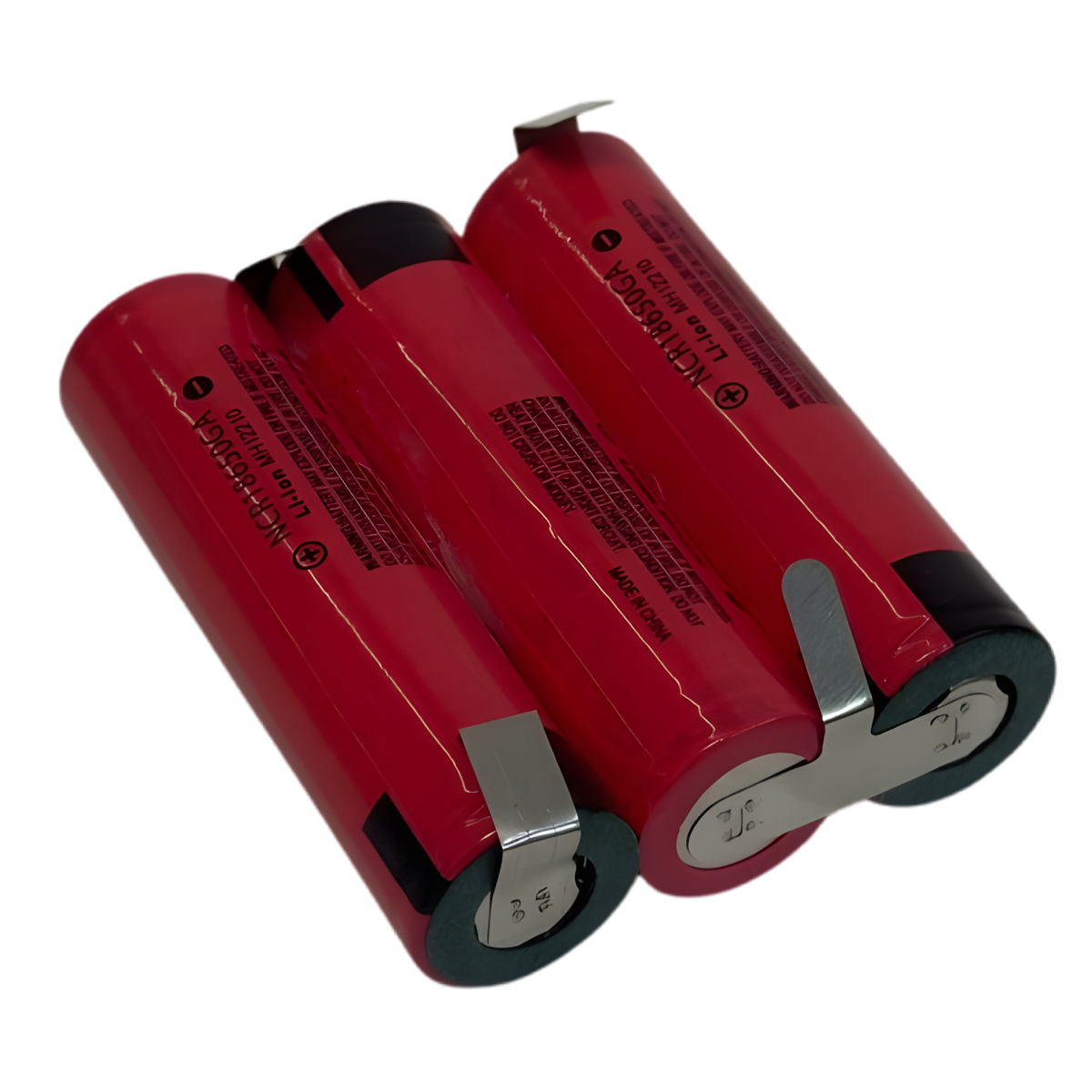
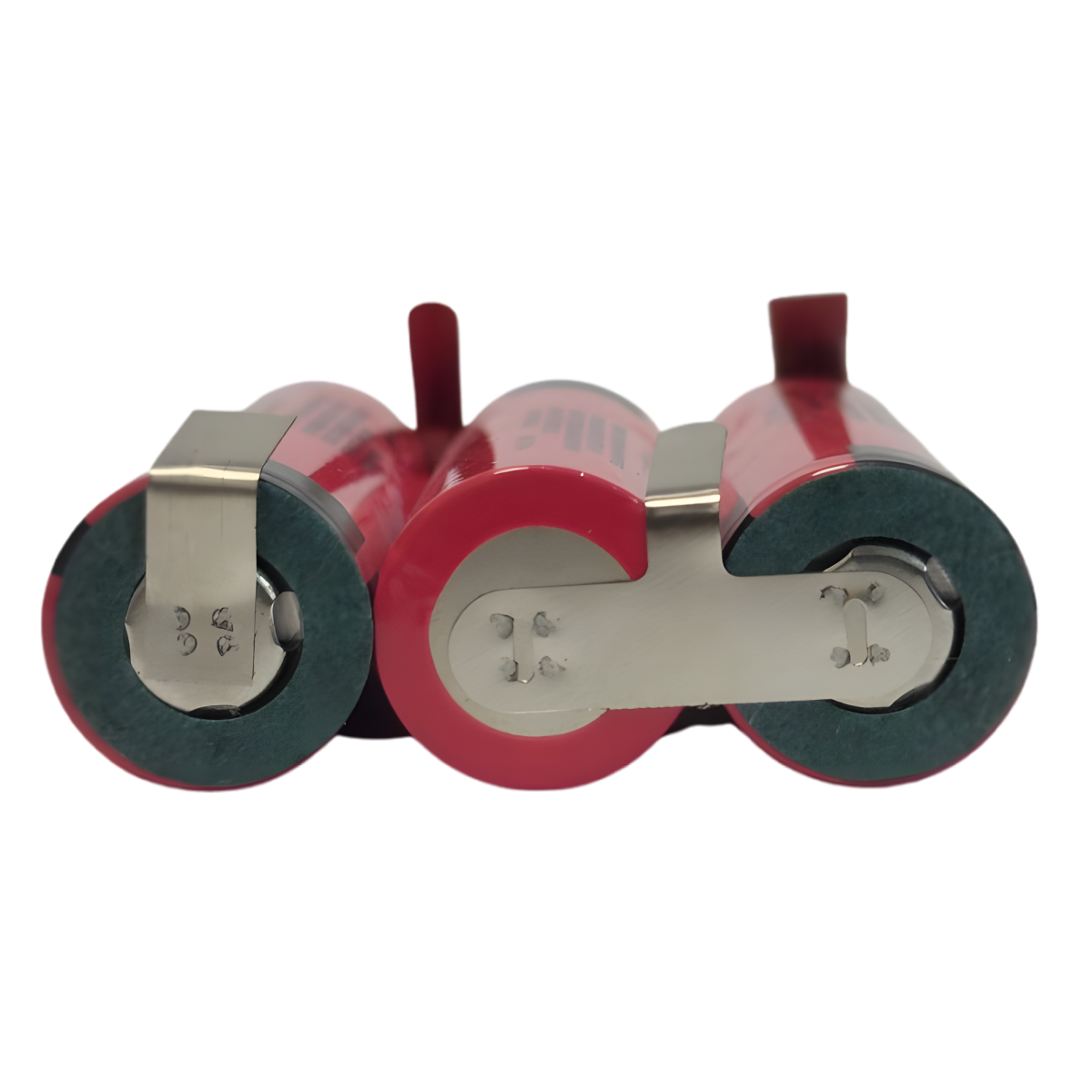
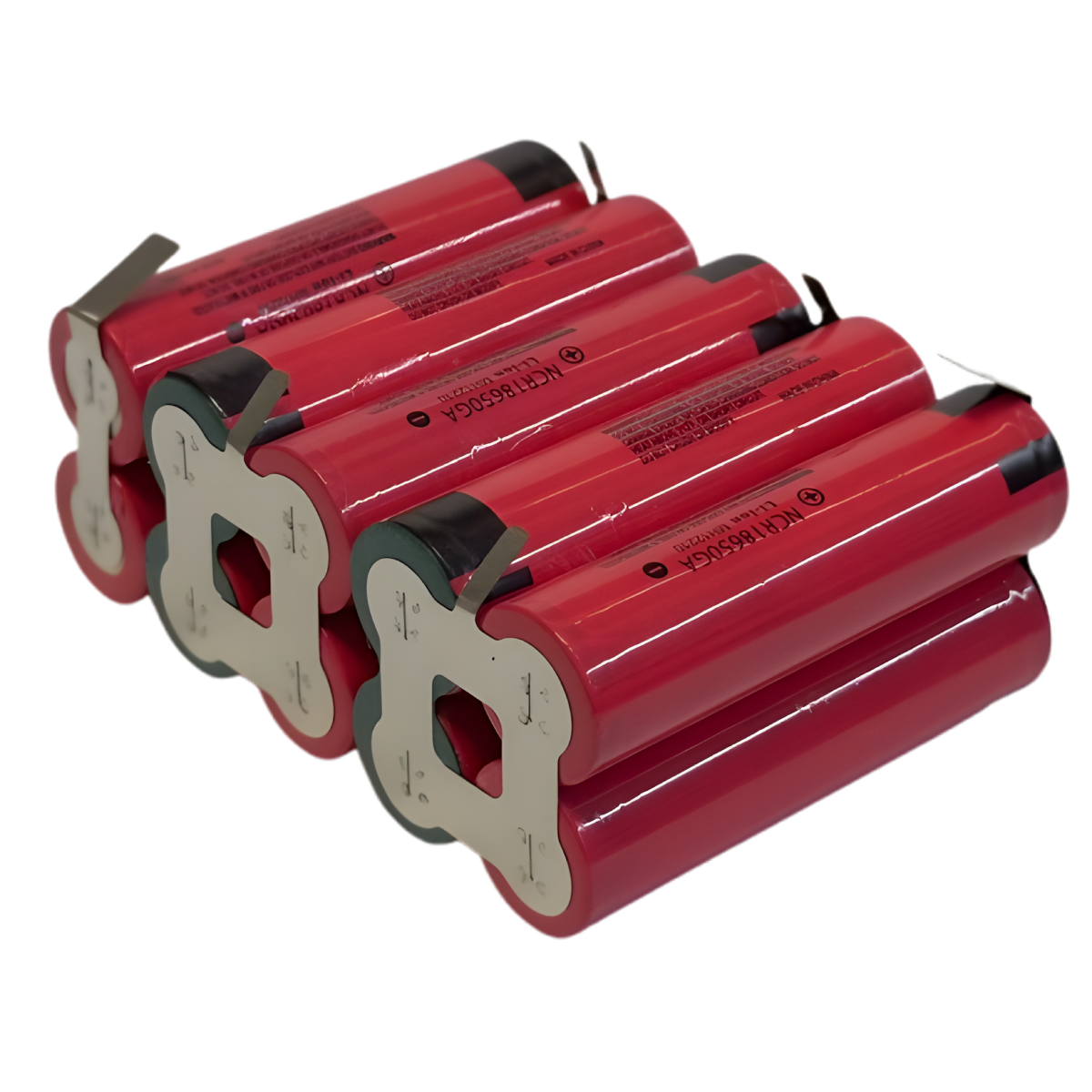
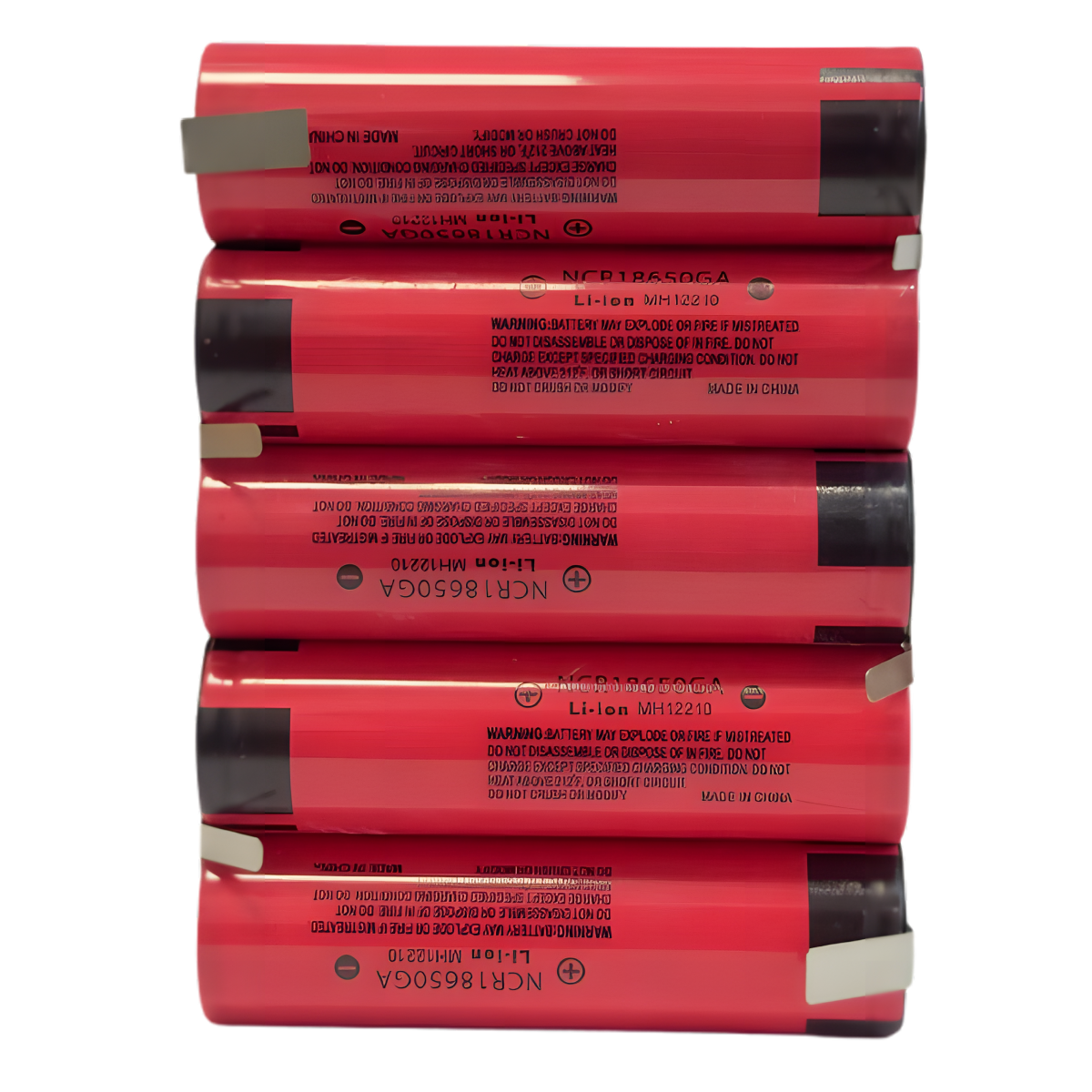
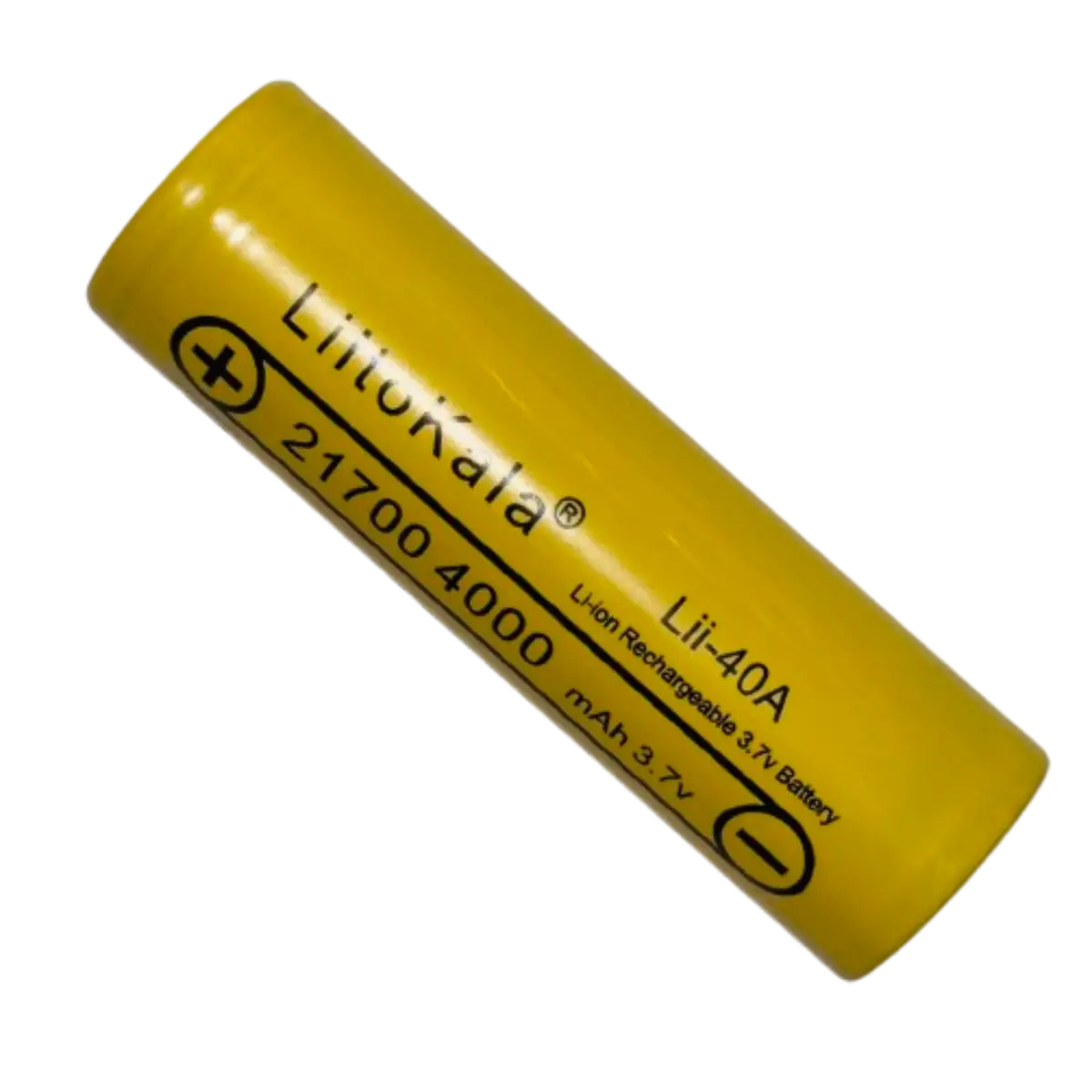
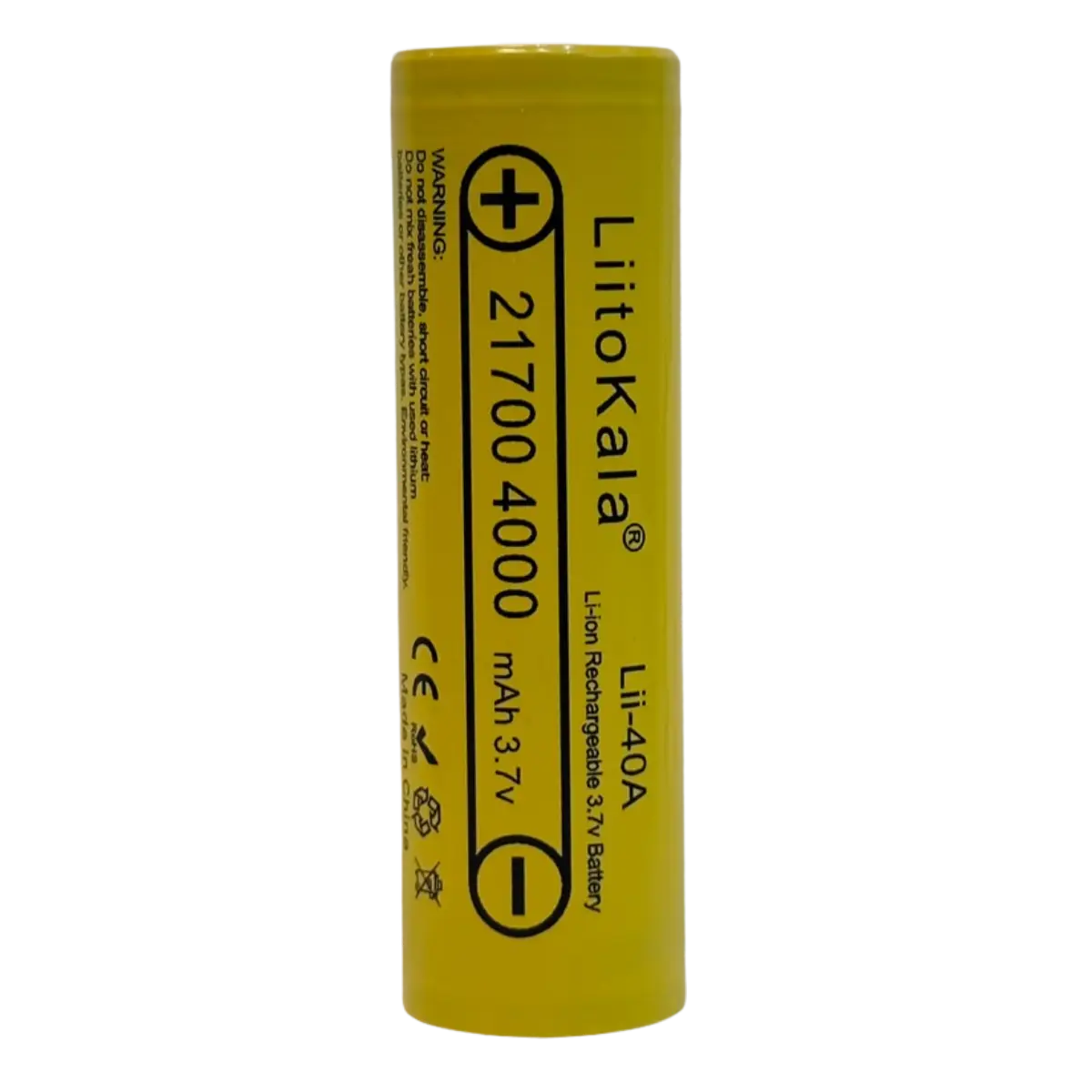
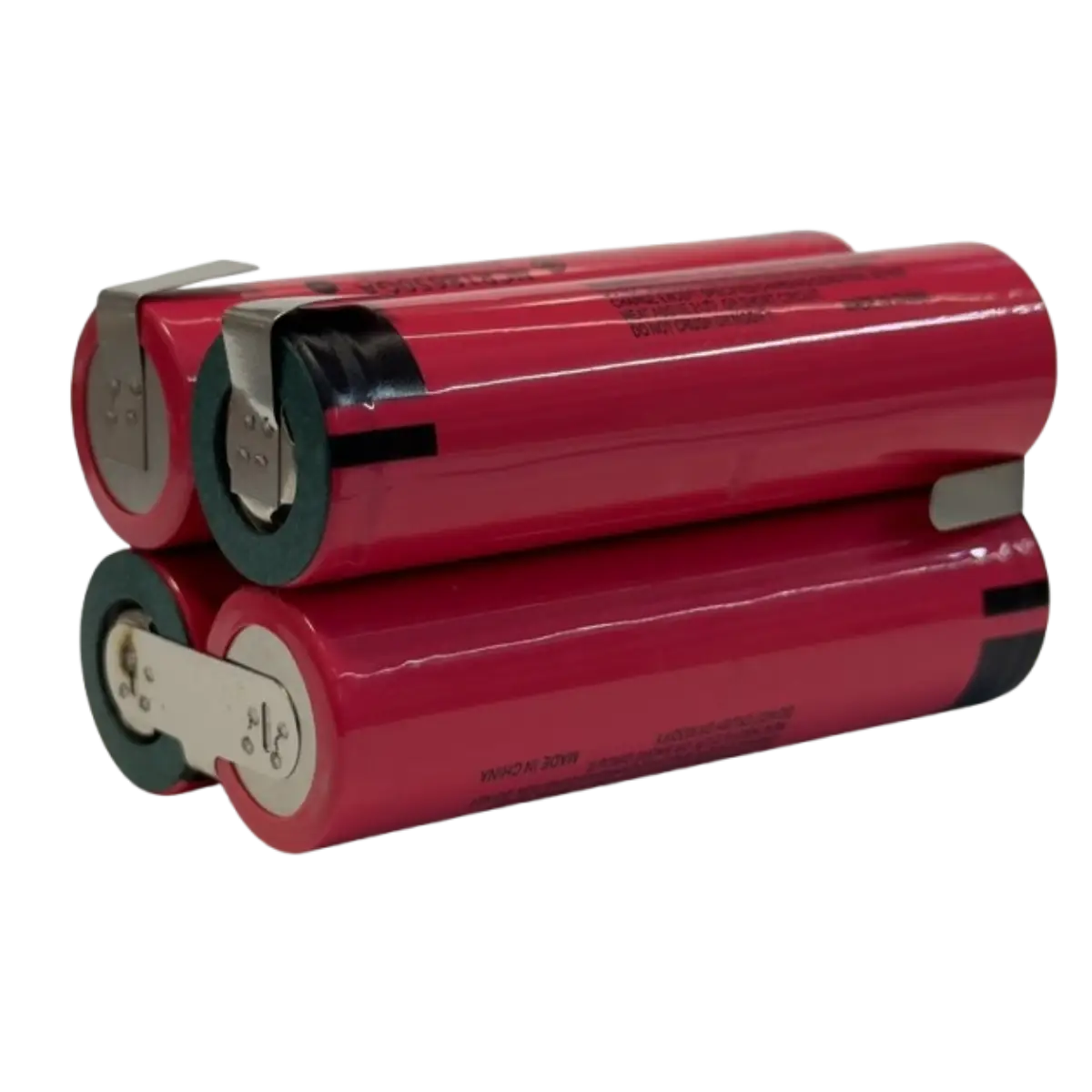
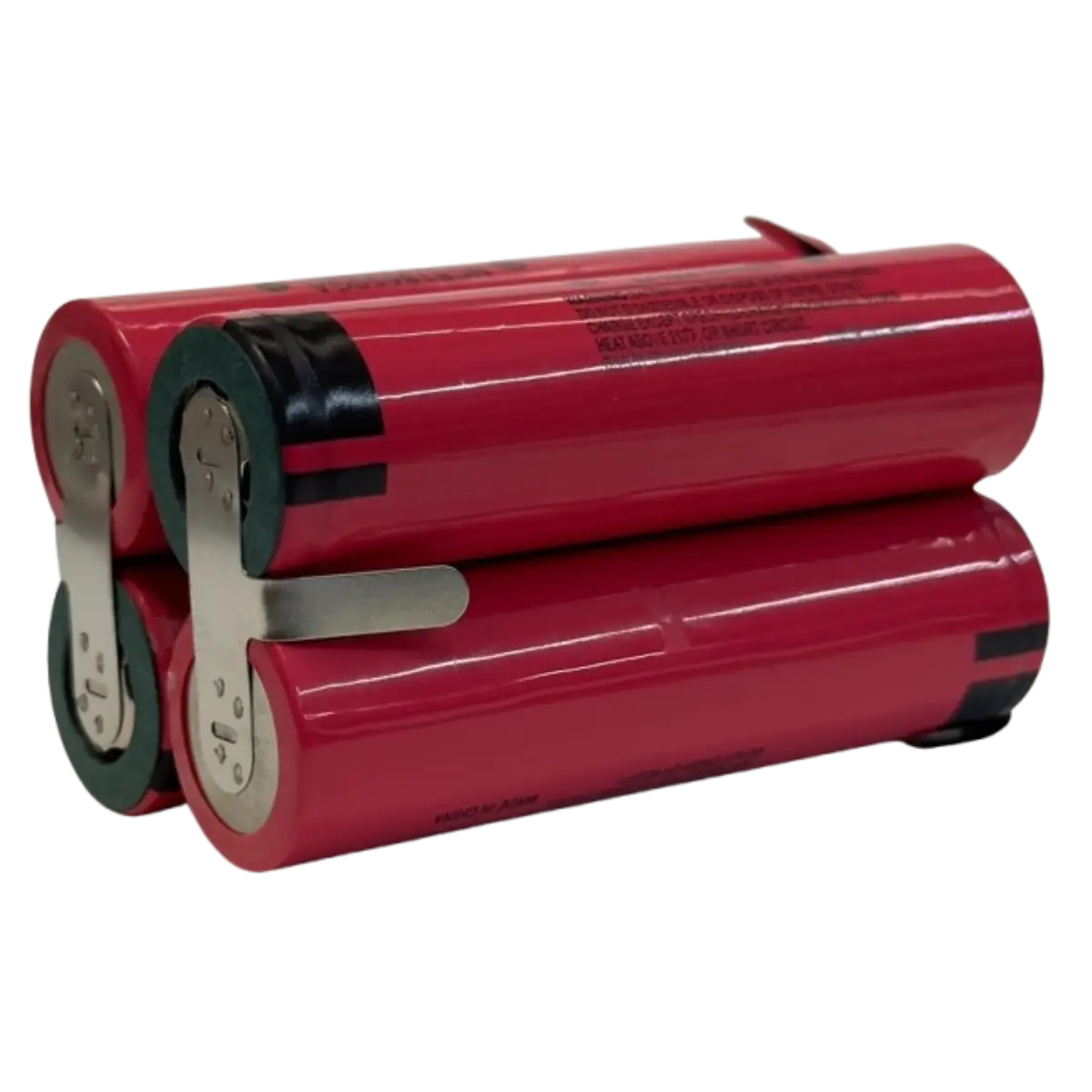
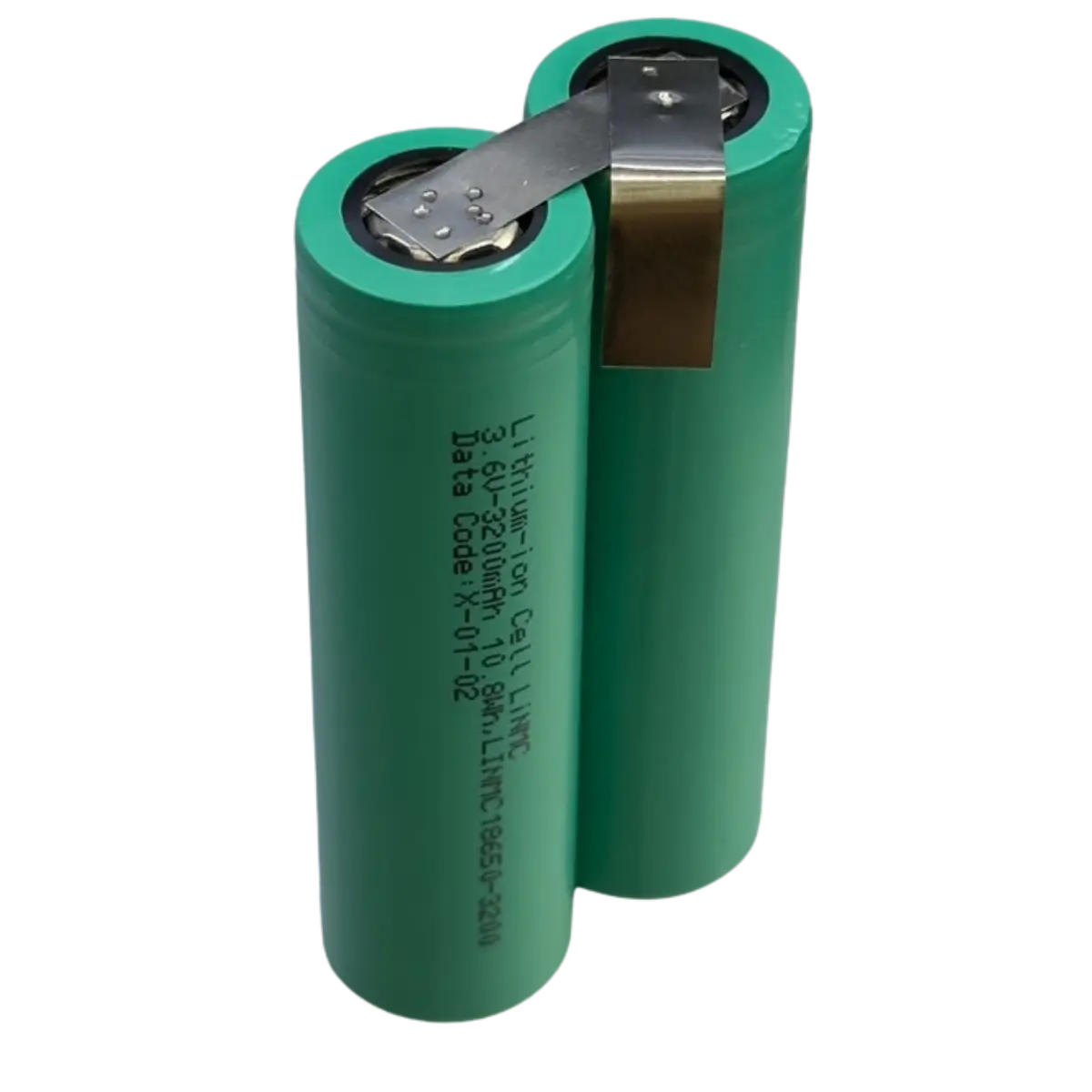
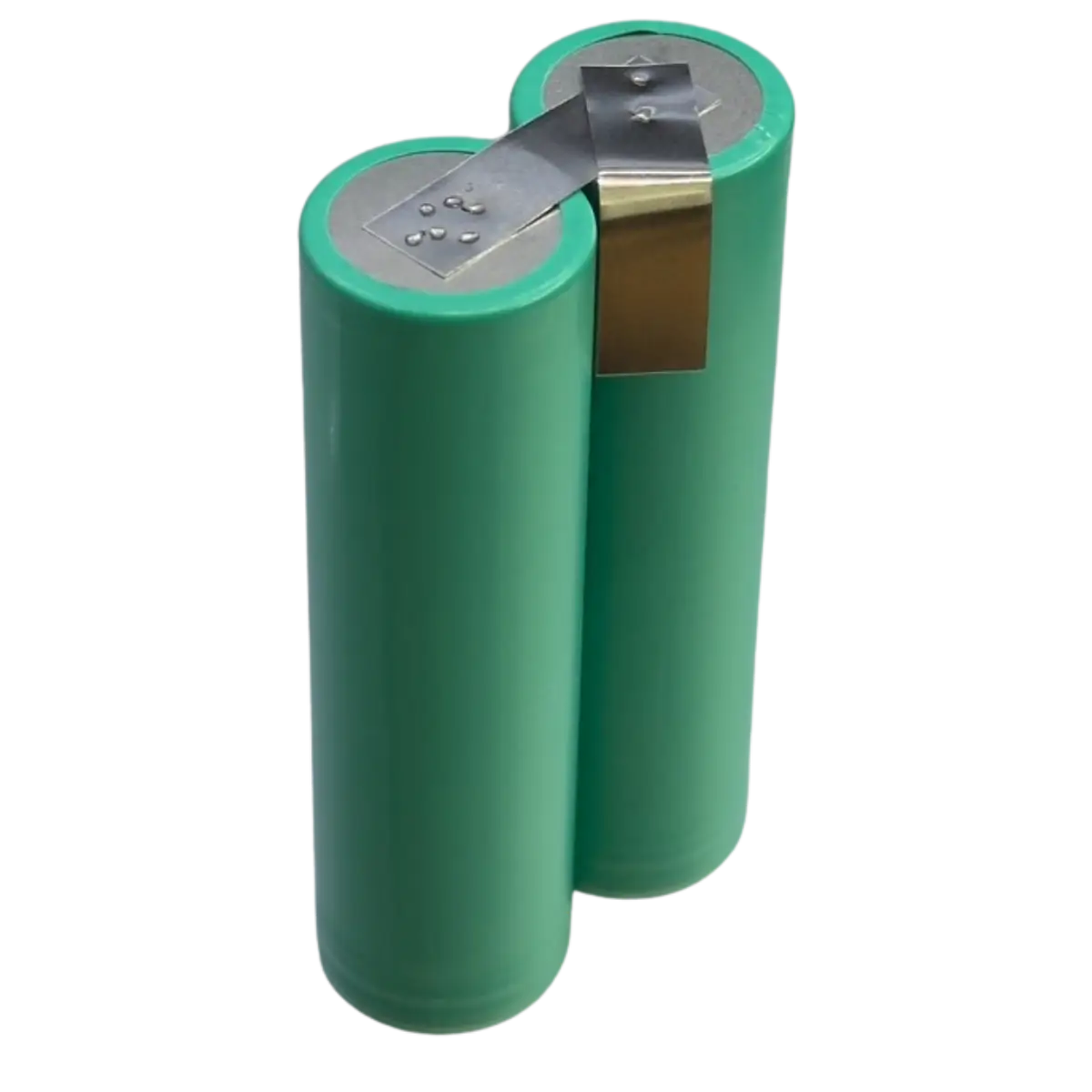
A Li-ion battery for assembly is a rechargeable lithium-ion cell designed to be integrated into electronic devices or custom battery packs. They are valued for their high energy density, low self-discharge, and long cycle life. These batteries are ideal for applications requiring reliable and long-lasting power, such as portable devices, power tools, and DIY projects.
How to choose between the different 18650 Li-ion batteries available?
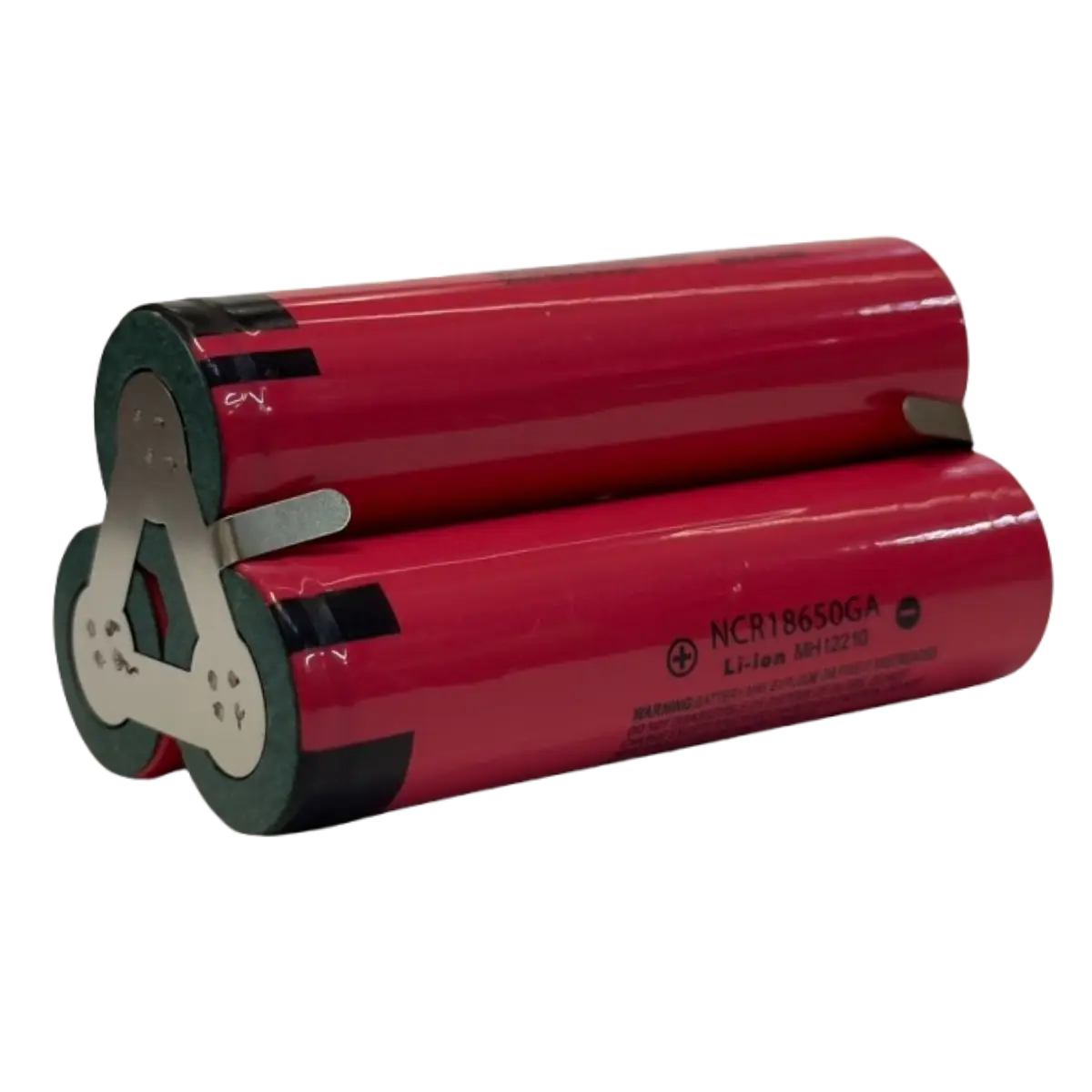
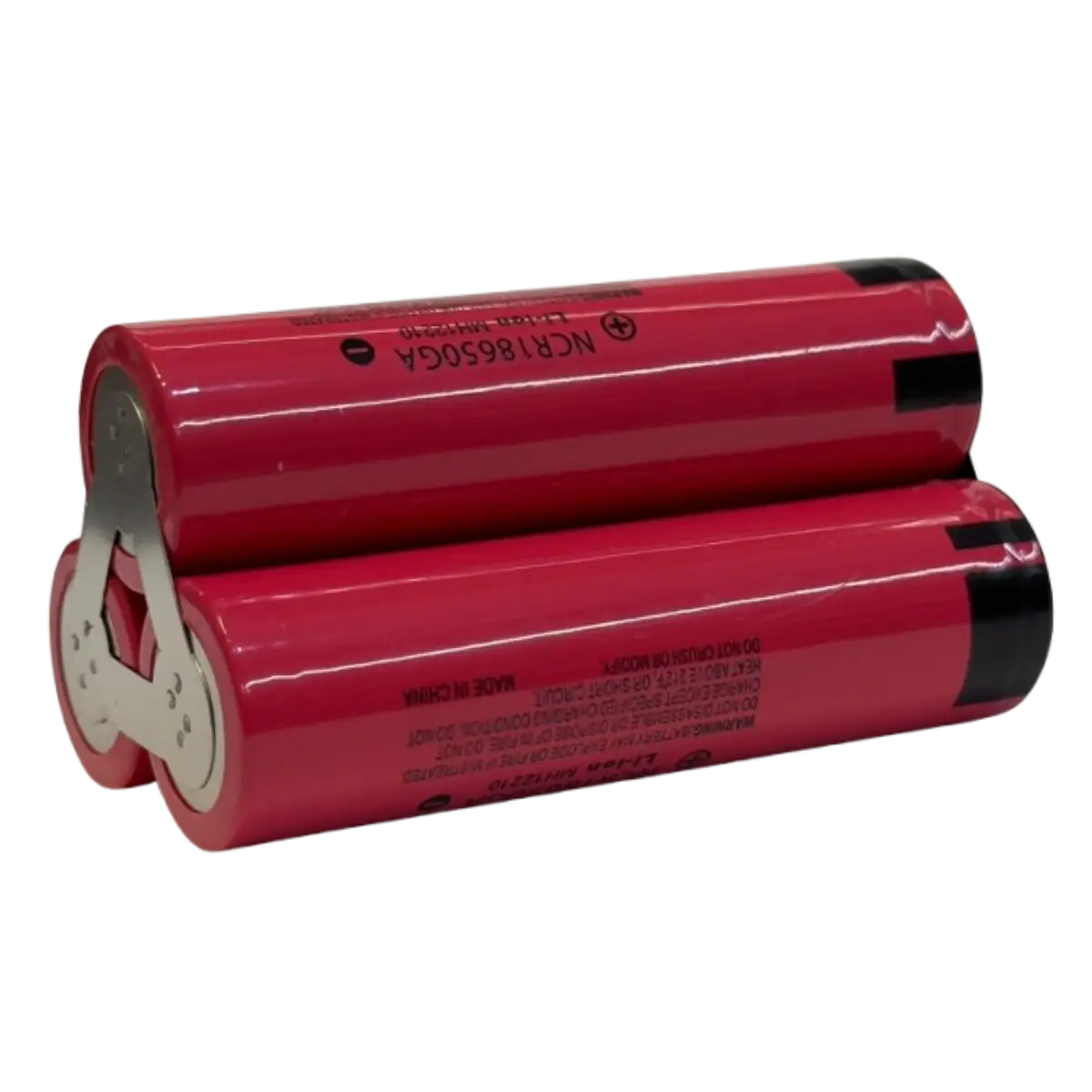
The choice between different 18650 Li-ion batteries depends on the application and the specific power requirements. For example, for applications requiring long runtimes, a battery like the 18650 Li-ion 3.7V 3200mAh would be ideal. On the other hand, for assemblies requiring deep discharge protection, a battery with a BMS (battery management system), such as the 18650 Li-ion 3.7v 2200mAh BMS, would be preferable. Also consider the discharge current characteristics, temperature tolerance, and compatibility with the equipment to be powered.
What is a battery with BMS and why is it important?
A battery with BMS (Battery Management System) incorporates a management system that monitors and controls essential battery parameters, such as voltage, current and temperature. The BMS protects the battery against overcharging, deep discharge, short circuits and overheating, thus increasing safety and extending the battery life. This is especially crucial for applications requiring reliability and consistent performance.
What are the advantages of 18650 batteries compared to other formats?
18650 batteries are among the most popular Li-ion cells due to their compact size, high energy density, and stable performance. They are versatile and used in a wide range of applications, from portable electronics to energy storage systems. Their standardized format makes it easy to assemble custom battery packs. In comparison, other formats may not offer the same combination of performance, flexibility, and market availability.
What precautions should be taken when using Li-ion batteries?
When using Li-ion batteries, it is crucial to follow certain precautions to ensure safety and longevity. Never expose batteries to extreme temperatures or water. Use only compatible chargers and avoid overcharging and deep discharging. Store batteries in a dry environment at room temperature when not in use. Handle with care to avoid physical damage that could cause short circuits or leakage.
Are Li-ion batteries recyclable?
Yes, Li-ion batteries are recyclable. It is important not to throw them in household waste, as they contain materials that can be harmful to the environment. Many recycling centers accept Li-ion batteries for disassembly and recycling of components. There are also specific collection points in electronics stores and recycling centers. Recycling helps recover valuable materials, reduce environmental impact and prevent pollution risks.